Hiring the Best St Cloud Environmental Consulting Firm
Sustainable Solutions: Professional Environmental Consulting for Your Company
Green strategies constitute a vital element of present-day business sector. Specialized green consulting allows businesses the opportunity to strengthen performance while minimizing their ecological impact. Through addressing ecological impact and regulatory standards, professionals help companies along the path of green initiatives. This progression not only benefits Earth but also resonates with the ethics of eco-conscious consumers. The road to becoming sustainable, yet, is layered and requires thoughtful analysis of numerous elements. What measures might companies adopt to commence this change?
Understanding Environmental Advisory Services and Its Benefits
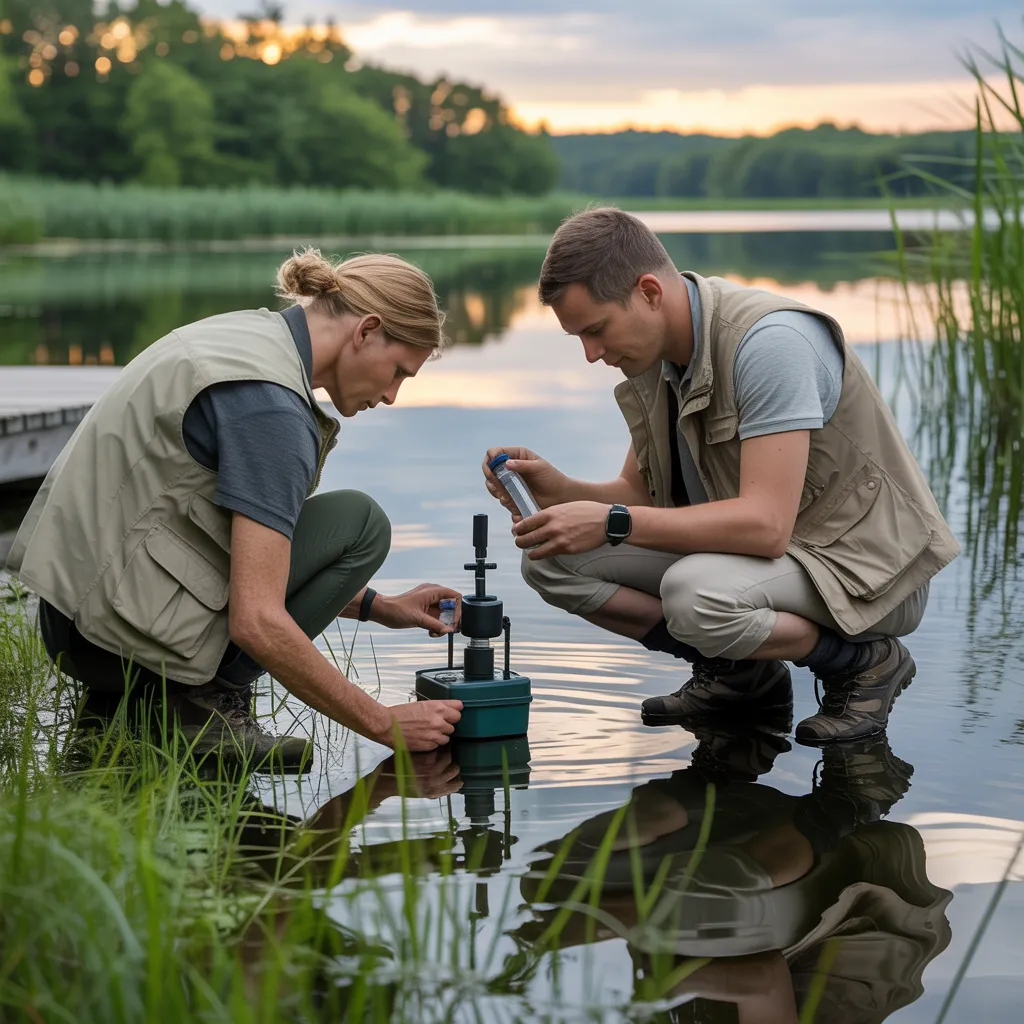
Understanding environmental consulting is essential for companies aiming to implement sustainable practices. This field involves professional advice on ecological compliance requirements, sustainability strategies, and resource management. Sustainability experts assess a company's operations to identify opportunities for enhancement, ensuring adherence to ecological regulations and minimizing ecological impact.
The benefits of engaging environmental consultants are significant. They provide bespoke solutions that improve operational efficiency, reduce waste, and decrease costs connected to resource consumption. By evaluating potential environmental risks, consultants help businesses address liabilities and improve public standing. Additionally, the integration of sustainable practices often generates innovation and competitive edge in the marketplace.
During the long-term horizon, working with environmental consultants cultivates a culture of sustainability within institutions, encouraging employees to adopt environmentally responsible behaviors. Through their competence, businesses not only play a role in environmental conservation efforts but also position themselves as leaders in social responsibility, appealing to increasingly environmentally sensitive consumers.
Assessing Your Carbon Footprint
Determining a organization's environmental footprint includes identifying key impact areas and measuring resource consumption rates. By analyzing these elements, businesses can pinpoint where betterment is needed. This strategy not only encourages sustainability but also enhances operational efficiency.
Locating Key Outcome Categories
Many companies disregard the critical importance of identifying key impact areas when evaluating their environmental footprint. By determining specific aspects of their activities that lead to environmental degradation, organizations can develop focused approaches for improvement. These key zones often encompass power usage, waste generation, water use, and emissions. Comprehending these elements allows businesses to prioritize actions that yield the most substantial ecological advantages. In addition, engaging interested parties in this identification process cultivates a sustainable culture within the entity. By detailed information recognizing and tackling these key critical zones, businesses place themselves to improve their overall sustainability, reduce costs, and meet regulatory requirements. This proactive approach ultimately promotes long-term ecological and economic viability.
Evaluating Supply Consumption Rates
Once key impact zones are identified, the next step includes measuring resource consumption rates to assess the company's ecological impact. This procedure requires an organized method to collect information on energy, water, and material usage across all operations. Employing tools such as energy audits, liquid evaluations, and material tracking analysis can offer understanding into usage trends. Organizations should also think about creating benchmarks to compare against industry standards or previous results. By analyzing these metrics, enterprises can identify inefficiencies and chances to decrease usage. Accurate measurement not only helps in adherence with environmental regulations but also improves corporate sustainability strategies. This data-driven approach is crucial for making informed decisions that align with long-term environmental goals.
Main Areas for Sustainable Corporate Methods
Additionally, businesses can fund renewable energy options, such as solar or wind, to minimize reliance on fossil fuels. Involvement of employees in green efforts creates a commitment to accountability, encouraging creative approaches and dedication to sustainable practices. Ultimately, candid communication regarding environmental goals and results boosts confidence among stakeholders and demonstrates sense of responsibility. Through merging these essential elements, organizations play a role in environmental stewardship while also establishing themselves as pioneers in responsible business, engaging environmentally mindful consumers.
Discovering the Ideal Environmental Consultant for You
Determining an environmental consultant calls for a definite knowledge of a operation's distinct aims and purposes. Evaluating these necessities facilitates organizations to coordinate with consultants who possess the suitable competence and history. This systematic approach secures that corporations make informed choices for eco-conscious practices.
Examining Your Firm Objectives
When corporations appreciate the importance of sustainability, they often face the burden of identifying the right environmental consultant to address their specific requirements. This process starts with a in-depth examination of the organization's eco-friendly aims, legal obligations, and present operations. Companies should consider their industry context, operational scale, and specific challenges, including but not limited to waste reduction or fuel economy. Engaging various stakeholders within the enterprise can yield valuable insights into the key areas and desired outcomes of the consulting engagement. Additionally, it is vital to define the scope of services called for, be it compliance, strategy development, or capacity building. By precisely detailing these needs, businesses can expedite the selection process and guarantee a more efficient working alliance with their designated professional.
Analyzing Consultant Knowledge
How can businesses ensure they choose the right sustainability advisor? Assessing consultant expertise requires multiple key factors. Initially, organizations should assess the consultant's credentials, including relevant certifications, education, and experience in particular environmental sectors. Next, reviewing previous projects and customer testimonials provides insight into the consultant's performance and dependability. Additionally, comprehending their strategy to environmental responsibility—whether they prioritize cutting-edge approaches or regulatory adherence—is essential. Interpersonal abilities also serve a significant role; a consultant must clearly communicate complex information to different interested parties. Finally, consider the consultant's dedication to continuous learning and keeping current on environmental requirements and technologies. By systematically examining these aspects, organizations can make well-considered choices and select a consultant best suited to their distinctive needs.
Develop Your Personalized Environmental Strategy
A expertly crafted sustainability blueprint can markedly improve a business's environmental footprint and efficiency in operations. This method starts off with a complete assessment of the organization's current processes, calling out fields where upgrades can be made. Primary stakeholders should be included in this appraisal to confirm different viewpoints are considered.
Next, specific, measurable objectives need to be set. These goals should align with the overarching aims of the organization while addressing sustainability issues such as minimizing waste, operational efficiency, and resource conservation.
Additionally, it is required to introduce forward-thinking methods suited to the unique challenges of the industry. Consulting with qualified environmental advisors can furnish pertinent information into optimal approaches and emerging technologies.
Ultimately, a strong communication approach can develop a sustainable organizational culture within the organization, confirming that all employees recognize their involvement in accomplishing these goals. This integrated strategy ultimately marks the business as a sustainability champion.
Executing Sustainable Solutions Proficiently
Effective implementation of sustainable solutions requires a deliberate strategy that emphasizes clear direction and intent. Businesses must first establish clear objectives, determining specific sustainability goals in line with their overall mission. This involves partnering with stakeholders, including employees and suppliers, to foster a culture of sustainability throughout the organization.
Next, organizations should allocate resources effectively, ensuring that the necessary digital solutions, instruction, and equipment are in place to promote sustainable practices. Ongoing communication is essential, as it keeps all stakeholders informed and motivated.
Furthermore, weaving in sustainability into current operations can improve efficiency and decrease pushback against transformation. By testing programs, organizations can evaluate viability and implement modifications before full-scale implementation.
Ultimately, a committed leadership group, aligned with straightforward procedures and constant engagement, can markedly improve the potency of environmental solutions, delivering sustained advantages for both the entity and the natural surroundings.
Evaluating Your Sustainable Development
What techniques can businesses use to track their sustainability development effectively? Companies can employ a variety of mechanisms and benchmarks to measure their environmental impact and advancements. One common approach is the adoption of key performance indicators that emphasize on energy usage, waste elimination, and carbon footprint. By determining clear benchmarks, businesses can review their enhancements over time.
Moreover, software solutions that measure resource consumption and emissions can furnish real-time intelligence, promoting wiser decisions. Ongoing compliance audits remain crucial, enabling businesses to identify areas for enhancement and verify alignment with environmental regulations.
Involving stakeholders via surveys and feedback mechanisms can further enrich the monitoring system, cultivating a culture of accountability and continuous improvement. Ultimately, a structured methodology to tracking sustainability progress empowers businesses to make informed adjustments and showcase their dedication to ecological responsibility.
Popular Inquiries Posed
What Is the Typical Cost of Ecological Consulting for Enterprises?
Advisory costs for environmental matters affecting organizations typically vary from $100 to $300 per hour, dependent on the firm's expertise and complexity. Project-based fees might also be available, differing per services rendered and duration.
What Certifications Should I Look for in an Environmental Professional?
Selecting an environmental consultant demands that you seek certifications such as Certified Environmental Professional (CEP), ISO 14001, or LEED accreditation, as these display expertise and commitment to environmental responsibility within environmental management.
Can Small Enterprises Gain Value From Environmental Advisory Services?
Yes, small companies can considerably profit from sustainability consulting expertise. These services help streamline resource utilization, decrease waste, bolster regulatory compliance with regulations, and enhance sustainability efforts, ultimately resulting in reduced expenses and a more positive brand perception.
How Regularly Should I Adjust My Green Strategy?
Revising a green initiative should take place each year or every two years, contingent upon industry changes and company expansion. Routine assessments guarantee alignment with shifting legal standards, client interests, and modern innovations, enabling continuous improvement and upgraded environmental performance.
What Industries Gain the Greatest Advantages From Environmental Consulting?
Industries including manufacturing, construction, energy, and agriculture benefit substantially from environmental expert guidance. These sectors commonly experience regulatory challenges, resource management issues, and green targets that demand expert guidance to strengthen their eco-friendly operations and regulatory adherence.